Bralven Quarterly
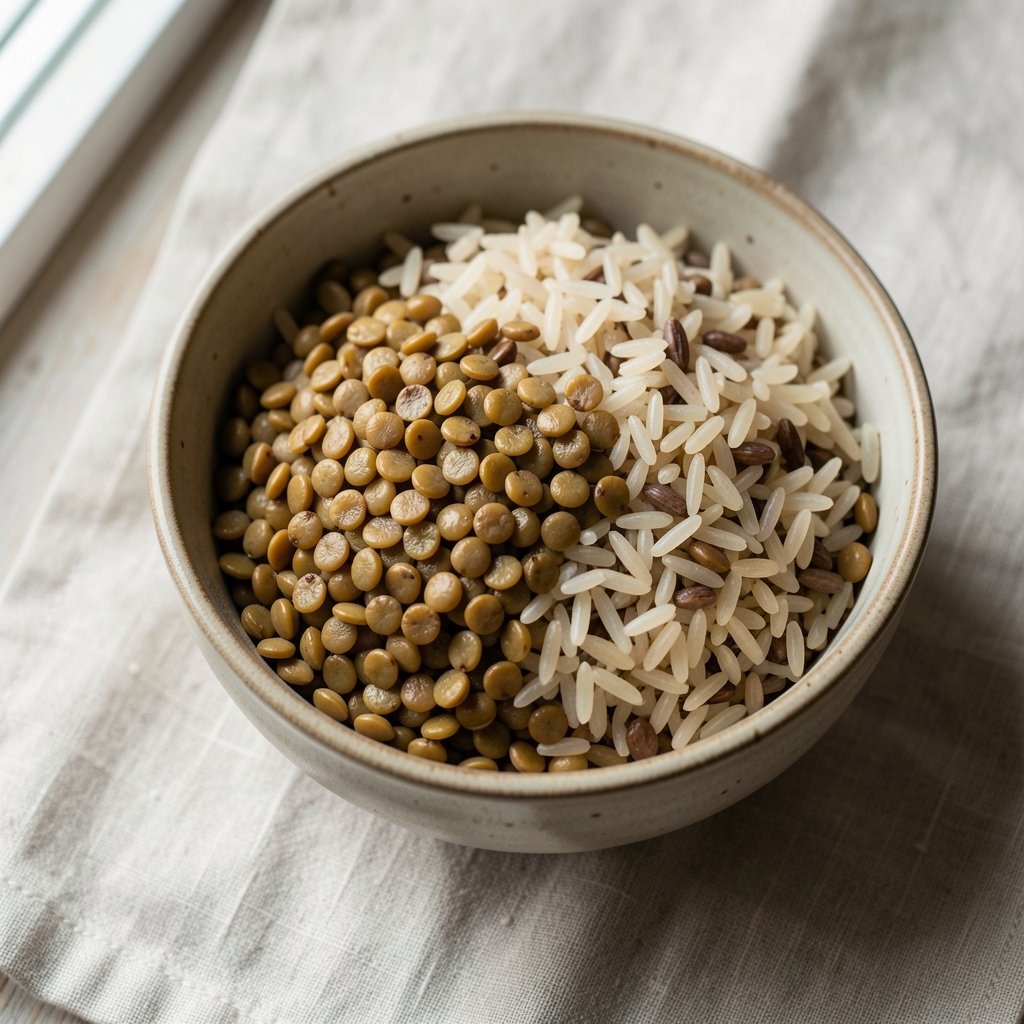
Seasonal whole grains and legumes arranged on a dark wooden surface, early morning editorial composition with natural side-lighting
01

Sustained Hunger

An editorial publication examining the foods that keep you full, the rhythm of daily appetite, and the quieter arithmetic of what we choose to eat — and when.

Read the Latest
Foods That Keep You Full Fibre & Satiety Eating Rhythm Whole Grains & Hunger Meal Spacing Plant-Based Satiety Portion Awareness Mindful Eating Pace Foods That Keep You Full Fibre & Satiety Eating Rhythm Whole Grains & Hunger Meal Spacing Plant-Based Satiety Portion Awareness Mindful Eating Pace
The Publication
02

There is a quiet arithmetic to how the body registers a morning meal — a logic that extends well past the first hour of the day.

Bralven Quarterly is an editorial publication concerned with the everyday patterns of hunger and satisfaction. Each issue examines the foods that support a lasting sense of fullness — whole grains, legumes, fibre-rich vegetables — alongside the rhythms of appetite that shape how and when we eat.

Writers contributing to this publication are drawn from food journalism, nutrition literature, and independent research. Observations are selected for editorial quality, not for commercial purpose.

36
Articles Published
12
Food Categories
8
Contributing Writers
3
Issues Per Year
03

Featured Reading

All Articles →
04

The Topics

Fibre & Satiety

An exploration of how dietary fibre — from vegetables, legumes, and whole grains — contributes to a sense of sustained fullness between meals. The relationship between fibre and satiety and food choices is examined through published nutritional research and observational writing.

Eating Rhythm

Meal spacing, morning food choices, and the daily appetite patterns that emerge from consistent eating rhythm. This column considers how the timing of meals — as much as their content — shapes the experience of hunger and fullness across a working day.

Plant-Based Satiety

Vegetable-rich meals and fullness — a sustained inquiry into how plant-forward eating patterns influence appetite throughout the day. From slow-digesting foods to portion awareness, this topic draws on editorial observation and food and hunger awareness literature.

Portion Awareness

A considered approach to understanding how meal size and composition interact with appetite and eating patterns. Portion awareness is not about restriction — it is about the relationship between what is on the plate and the hunger that follows an hour later.

Mindful Eating Pace

The pace at which a meal is eaten carries its own logic. Slow eating allows natural fullness signals to register more clearly. This column examines snacking habits, balanced meal rhythm, and the relationship between mindful eating pace and the body's hunger cycle.

Protein & Fullness

Protein and fullness is a relationship with genuine depth. This topic column examines the role of protein-rich foods — from whole fish and eggs to pulses and fermented dairy — in supporting sustained satiety and a more gradual return of hunger throughout the day.

05
“The question is not only what is eaten, but how long what is eaten holds its ground against the return of hunger.”
Bralven Quarterly — Editorial Note, Spring 2026
06

Frequently Asked

Foods rich in dietary fibre, protein, and water content consistently appear in published nutritional literature as those most associated with a lasting sense of fullness. Legumes, oats, root vegetables, whole grain rye, and eggs are among the food groups that contribute to appetite awareness during the day. The combination of these with adequate meal spacing tends to support a more gradual hunger return than highly processed alternatives.

Eating rhythm — the timing and spacing of meals across a day — appears to influence the consistency of hunger and fullness signals. Published observations suggest that balanced meal rhythm, with meals spaced across the day at regular intervals, is associated with more predictable appetite and eating patterns than irregular eating habits. Morning food choices, in particular, carry an influence on how hunger develops over subsequent hours.

Slow-digesting foods — those with lower glycaemic influence and higher fibre or protein content — are associated with a more gradual hunger return. Barley, lentils, sweet potato, whole oats, and similar foods are noted in nutritional literature for their contribution to appetite and eating patterns that tend toward fewer peaks of acute hunger. This is not a assured outcome for any individual, but an observed pattern in population-level dietary research.

Plant-based satiety is a well-examined area of nutritional literature. Vegetable-rich meals that incorporate legumes, whole grains, and adequate healthy fats appear in observational studies as nutritionally varied approaches that support meal satisfaction. The combination of fibre and protein from plant sources — beans, chickpeas, lentils, edamame — is noted for contributing to a sense of satiety that persists between meals.

Mindful eating pace — slowing the speed at which a meal is eaten — allows natural fullness signals more time to register before eating continues. Published research in this area suggests that individuals who eat more slowly report a greater awareness of satiety during and after meals. This is a habitual adjustment rather than a rigid directive, and one that appears in both observational and food journalling literature as an accessible dimension of food and hunger awareness.

Bralven Quarterly publishes contributions from food journalists, independent nutrition writers, and researchers working in the fields of dietary observation and food pattern analysis. Writers disclose any commercial relationships that might influence their subject selection. All articles are reviewed by a second editor before publication. The publication does not accept sponsored content that is presented as editorial.

Editorial portrait of a food writer seated at a wooden desk with a notebook and bowl of seasonal vegetables, soft natural light from a tall window on the left side
London, 2026 — Editorial Office
The Editorial Team
07

Writing from within the experience of everyday eating

The writers and editors at Bralven Quarterly approach the subject of satiety not from a position of guideline, but from genuine curiosity about what keeps a person fed and settled between meals — and why those patterns vary from week to week, season to season.

The publication was founded in London with the conviction that nutritional subject matter deserves editorial rigour — the same attention to source, evidence, and voice that long-form food journalism brings to questions of taste and place.

About the Publication

Articles published on Bralven Quarterly are editorial in nature and reflect the writers' observations on everyday food choices, satiety patterns, and appetite rhythm. The content is not intended as professional advice, nor as guidance for the management of any specific condition. Readers with specific concerns about their daily routines are encouraged to speak with a qualified wellness professional.